Book Your Appointment
New Patient
Existing Patient
Full Name *
Mobile *
+971
Search
    Email *
    Treatment *
    Other treatment? Please specify. *
    Preferred Date
    Preferred Time
    Preferred Center *
    Upload your Insurance Emirates ID (optional)
    Browse Files No file chosen
    Insurance Details & Notes
    utm_source
    utm_medium
    utm_campaign
    utm_id
    Referrer URL
    Send an Enquiry
    Full Name *
    Mobile *
    +971
    Search
      Email *
      Enquiry Type *
      Document Type *
      EID Front *
      Browse Files No file chosen
      EID Back *
      Browse Files No file chosen
      Insurance Front *
      Browse Files No file chosen
      Insurance Back *
      Browse Files No file chosen
      Passport *
      Browse Files No file chosen
      Document to request *
      Center *
      Enquiry *
      Referrer URL
      utm_source
      utm_medium
      utm_campaign
      utm_id
      Dental Crowns in Dubai

      Dental Crowns in Dubai

      Protect and strengthen a damaged tooth.

      Natural-looking result that lasts


      Whether your tooth has been weakened by decay, broken by injury, or worn down over time, a dental crown restores its full shape, strength, and appearance. At Drs. Nicolas & Asp Centers, we fit dental crowns in durable, tooth-coloured materials — crafted to blend seamlessly with the rest of your smile and designed to last for years.

      What is a

      Dental Crown


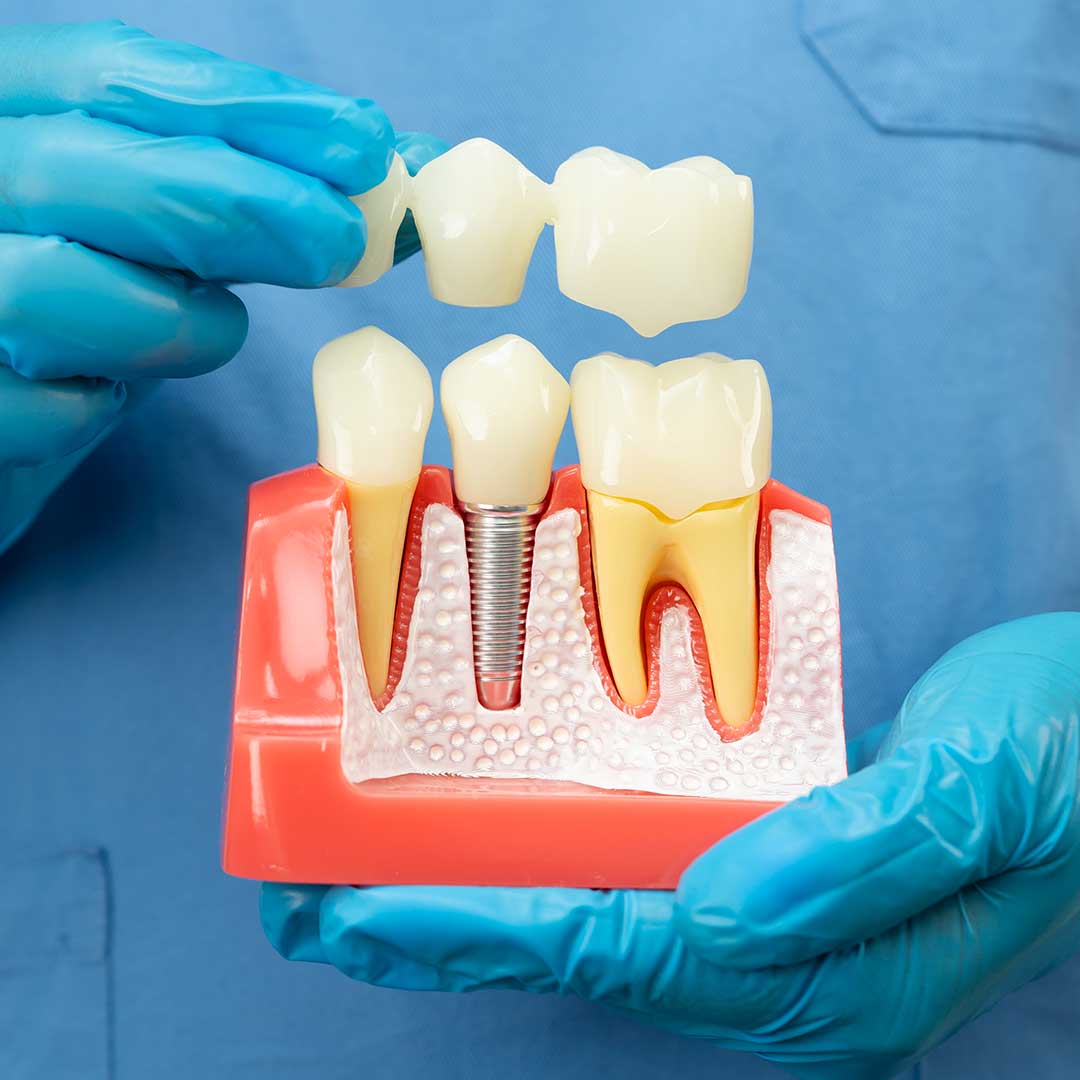
      A dental crown is a tooth-shaped cap that is placed over a damaged, weakened, or significantly restored tooth to cover it completely from the gum line up. Once cemented in place, it encases the entire visible portion of the tooth, restoring its original shape, size, and function.

      Crowns are one of the most versatile restorations in dentistry. Depending on the situation, they can be used to protect a tooth at risk of fracture, to anchor a dental bridge, or to complete a dental implant by providing the visible, functional tooth above the gumline.

      Good to know

      A dental crown does not just cover cosmetic damage. It provides structural support that can prevent a cracked or heavily filled tooth from fracturing further — which, if left untreated, can lead to the need for extraction.

      Dental Crowns
      Dental Crowns in Dubai

      When Is a Crown Recommended?


      Your dentist may recommend a dental crown in any of the following situations:

      Types of Dental Crowns


      The right crown type depends on the location of the tooth, the amount of remaining tooth structure, aesthetic expectations, and your bite load.

      Crown TypeBest ForAestheticDurability
      All-Ceramic / ZirconiaFront & back teethExcellentHigh
      Porcelain-Fused-to-Metal (PFM)Back teeth, mixed casesVery goodVery high
      Full Metal (Gold / Alloy)Back molars, bruxism casesLowExcellent
      CEREC Same-Day CrownSingle tooth, time-sensitiveGood–ExcellentHigh

      What Materials Are Dental Crowns Made From?

      Your dentist will recommend the most appropriate material based on the tooth’s position, bite load, and how much natural tooth structure remains.

      What Does the Crown Procedure Involve?


      A traditional dental crown is typically completed over two appointments, spaced one to three weeks apart.

      Dental Crowns Procedure

      Consultation and Assessment

      We examine the tooth, take X-rays, and assess the health of the surrounding teeth and gum tissue. We discuss which crown type and material are best suited to your situation, and provide a full treatment plan and cost estimate before anything begins.

      Tooth Preparation and Impressions

      The tooth is shaped under local anaesthesia to create space for the crown. The amount of tooth reduction depends on the material chosen — full metal crowns require less reduction than ceramic options. Impressions are taken of the prepared tooth and a shade guide is used to match the crown to your natural teeth. A temporary crown is fitted to protect the tooth while your permanent crown is being fabricated.

      Temporary Crown

      A temporary crown is placed over the prepared tooth to protect it, maintain your appearance, and allow normal function while the laboratory crafts your permanent restoration. Temporary crowns are not as strong as permanent ones — your dentist will advise you to avoid very hard or sticky foods during this period.

      Fitting, Cementation, and Follow-Up

      Once your permanent crown arrives, we check the fit, bite alignment, and aesthetics before cementing it in place. A follow-up appointment shortly after confirms everything is comfortable and functioning well.

      For CEREC same-day crowns

      Steps 1–4 are completed in a single visit. The tooth is prepared, digitally scanned, and the crown is milled in the clinic and fitted the same day — no temporary crown required.

      Dental Crown vs. Dental Veneer


      A dental crown covers the entire tooth from the gum line up. It is the appropriate choice when a tooth is structurally compromised — cracked, heavily decayed, root-filled, or significantly broken. Crown preparation involves reshaping the entire tooth on all sides.

      A dental veneer covers only the front surface of a tooth and requires much less tooth reduction. Veneers are primarily a cosmetic restoration — they improve the colour, shape, and appearance of healthy teeth that do not need full structural coverage.

      If your tooth is intact and primarily a cosmetic concern, a veneer may be the more conservative option. If the tooth is damaged, weakened, or has had a root canal, a crown is the clinically appropriate choice. Your dentist will advise which restoration fits your situation.


      Dental Crowns
      Dental Crowns

      How Long Does a Dental Crown Last?


      With good oral hygiene and regular professional check-ups, most dental crowns last between 10 and 15 years. Full metal crowns and implant-supported crowns tend to last longer — 15 to 20 years or more — due to the strength and stability of the materials and supports involved.

      The main factors that influence longevity:

      Signs your crown may need attention

      Sensitivity to hot or cold that persists, pain when biting, visible chipping or cracking of the crown surface, looseness or movement, swelling around the gum at the crown margin, or a change in how your teeth come together. Contact us promptly if you notice any of these.

      How to Care for a Dental Crown


      A crowned tooth still requires the same daily care as a natural tooth — and the area where the crown meets the gum needs particular attention, as this is where plaque and decay can develop if oral hygiene is not maintained.

      Dental Crowns Care

      Dental Crowns FAQs

      The procedure is carried out under local anaesthesia, so you should not feel pain during treatment. Some sensitivity around the prepared tooth and mild gum tenderness are normal for a few days after the appointment and typically resolve on their own. If you experience significant or persistent discomfort, contact your dentist.

      A traditional crown takes two appointments spaced approximately one to three weeks apart — one for tooth preparation and impressions, and one for fitting the permanent crown. If CEREC same-day technology is used and clinically appropriate, the entire process can be completed in a single visit.

      Yes. While the crown material itself cannot decay, the natural tooth structure beneath it can. Cavities most commonly develop at the margin where the crown meets the tooth, particularly if plaque is not removed consistently. Good daily oral hygiene and regular check-ups are essential to protect a crowned tooth for the long term.

      A filling restores a portion of a tooth — it replaces decayed or missing tooth material within the existing tooth structure. A crown covers the entire tooth from the gum line up, providing protection and structural reinforcement when a tooth is too damaged or weakened to be reliably restored by a filling alone.

      A veneer covers only the front surface of a tooth and is primarily a cosmetic restoration for healthy teeth. A crown encases the entire tooth and is the appropriate choice when a tooth is structurally damaged, root-filled, or significantly broken. Crown preparation removes more tooth structure but provides full coverage and protection.

      These are not always either/or decisions — they often go together. A root canal treats infection or damage inside the tooth (the pulp and root canals), while a crown is placed afterward to protect and restore the treated tooth. Your dentist will assess whether the tooth requires root canal treatment, a crown, or both, based on clinical examination and X-rays.

      Coverage depends on your specific plan, as every policy is different. Our team will be more than glad to check your benefits, guide you through your coverage, and handle pre-approvals and paperwork on your behalf before treatment begins.

      Ready to Protect and Restore Your Tooth?


      Our dentists will assess your tooth, explain your crown options, and create a treatment plan tailored to your needs, function, and long-term comfort.